/

You've probably been rucking without knowing there was a word for it. That loaded pack on your last fourteener? Rucking. Hauling a toddler and a diaper bag around the block? Basically rucking. The fitness world finally named something humans have done forever, and it's quietly become one of the most talked-about workouts around town.
Here's what rucking is, where it came from, and how to start this week.
Rucking is walking with weight on your back (that's the whole idea). You load a backpack, or a purpose-built rucksack, with somewhere between 10 and 25 pounds, put it on, and go for a walk. The word itself comes from "rucksack," military slang for the pack a soldier carries on foot.
The load is what separates a ruck from a stroll. Adding weight turns easy walking into a full-body effort that trains your heart and your muscles in the same session. Humans are built to carry things over distance, so in a way you're just formalizing something your body already knows how to do. It stays gentle on the joints while asking a lot more of everything else. For a city like Denver that treats hiking as a birthright, it's an easy sell.
Rucking's roots run straight through the military. The loaded march, sometimes called a forced foot march, has been a training staple for armies worldwide for as long as soldiers have carried their own gear. In the U.S. Army, the ruck march is one of the tests required to earn the Expert Infantryman Badge, and the standard is serious: 12 miles in three hours with a minimum 35-pound load.
The civilian version is a lot friendlier. In 1950, Colonel S.L.A. Marshall published a widely cited study on how much weight soldiers should reasonably carry and landed on a rule that still holds up. Keep your load under a third of your bodyweight. Sound advice whether you're training for your next ultramarathon or just doing laps around the park.
Rucking has earned its following because it delivers on two fronts at once.
Cardio and strength in one workout. Walking with weight can burn up to three times the calories of walking without it, which puts it in the neighborhood of a light jog while going far easier on your knees. You get a real conditioning effect without the pounding that running loads onto your joints.
It sure does. Carrying a load asks your back, core, glutes, and legs to stabilize and drive every step, so you're strengthening the whole posterior chain as you move. The weight-bearing work also supports bone density, which matters more with every passing decade. It won't replace a heavy lifting day, but it builds the kind of durable, functional strength you actually feel in real life.
While this is a constant comparison, running is faster and burns more per minute, but it asks more of your body. Rucking gives you comparable results at a lower impact cost, which makes it easier to do often and far easier to stick with over the long haul.
The barrier to entry is almost nothing. Grab a backpack, add 10 to 20 pounds (a couple of dumbbells, a few full water bottles, a bag of rice, whatever you have) and walk. Aim for a pace around 15 to 20 minutes per mile, keep your posture tall and your steps steady, and begin with one or two outings a week.
A few pointers for your first ruck: start lighter than you think you need to, keep the weight high and snug against your back, and add five pounds at a time as it starts to feel easy. Some next-day soreness is normal and nothing to worry about.
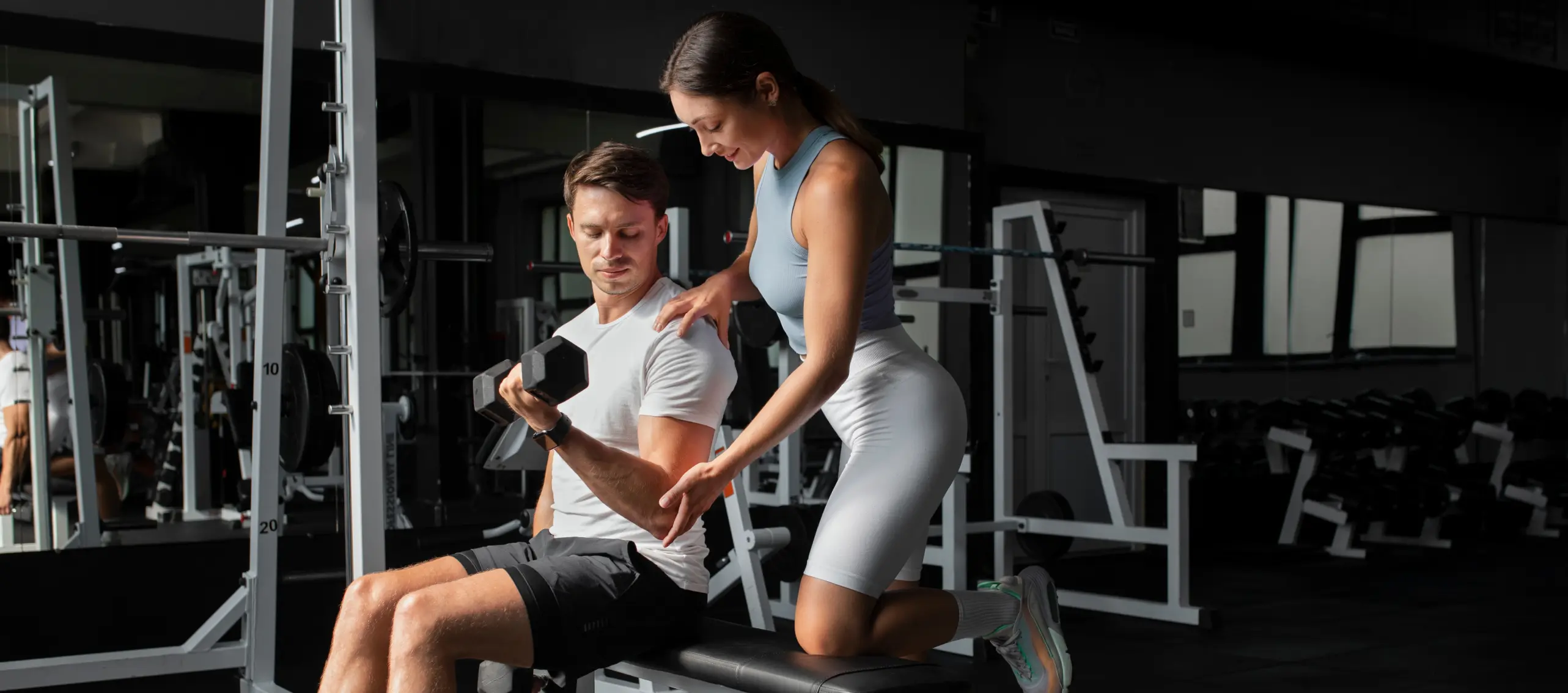
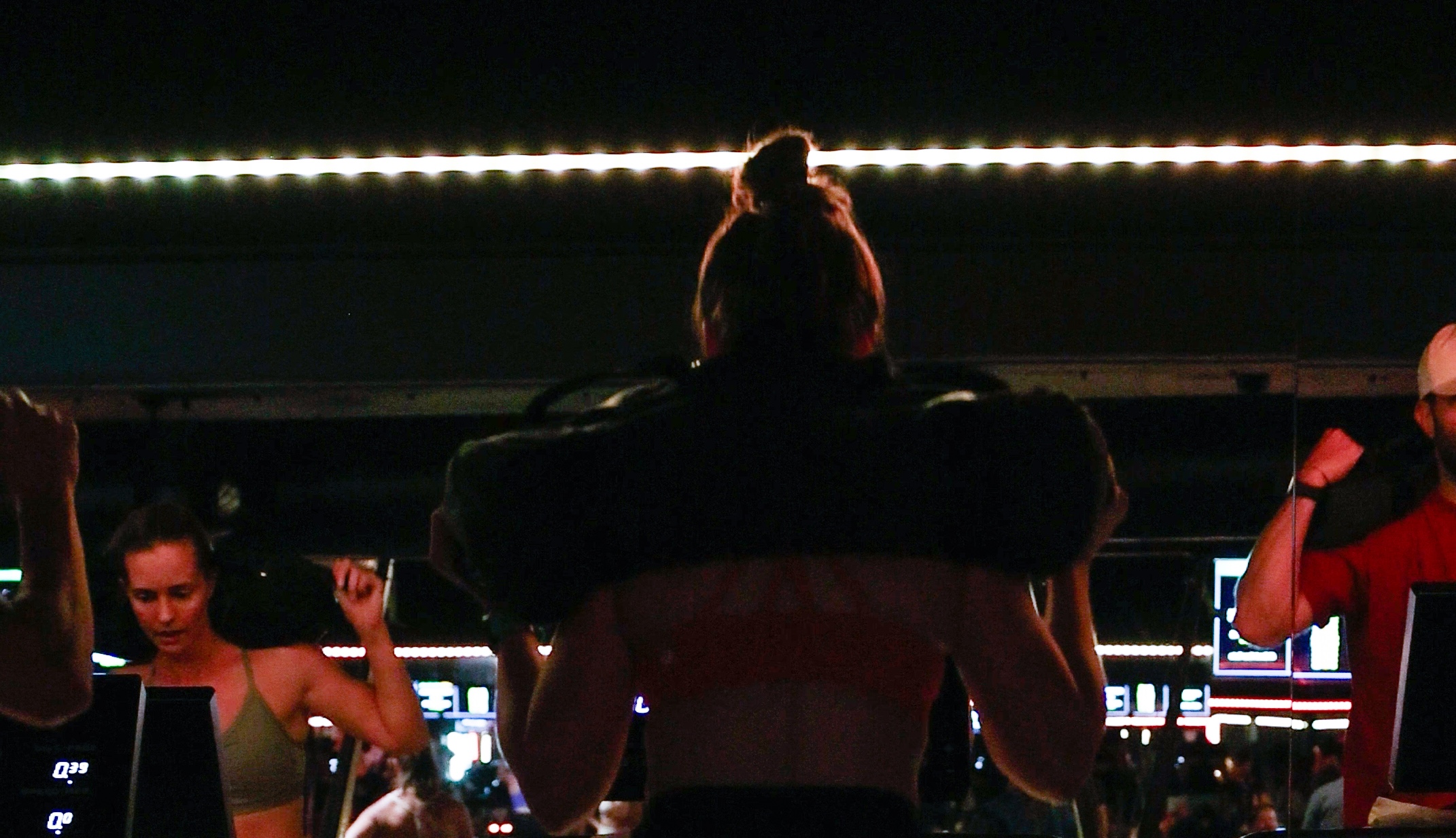
Want the engine that makes rucking feel effortless? That's where Arena comes in. Arena is our 42-person functional training studio at Traverse Highlands, built around the exact loaded movement rucking is made of. Sandbag carries, inclined treadmill work, sled pushes, and kettlebell strength are the training that turns a brutal ruck into an easy one. Coaches lead every session and scale the work to wherever you're starting from, so your first class fits you as well as your hundredth. The mountains out here reward the people who can carry a load and keep climbing. Arena is how you build for them.
New to Traverse? Claim our latest offer and get your first Arena session on the calendar. Your next summit is waiting.